


COVID’s impacts on tourism
Implementing sustainable tourism strategies within a fast-paced industry has been difficult. But when coronavirus hit in the spring, tourism fell into an unusual lull. It was front and center on the news. We all knew that the cruise industry was in for a rough recovery. But did we have any idea how rough? And how badly the rest of the tourism industry would suffer?
I didn’t. At least not right away.
It took me a few months to realize that small businesses and tourism-dependent destinations would be hit the hardest. It took even longer to realize some might struggle to get back up.


I had a few loose ideas about how to restart the tourism engine. But I was still feeling pretty low, until I attended an online sustainable tourism conference. COVID was high on the discussion list. Tour companies, hotels, restaurants, artists, and shop owners all asking each other how they were dealing with the shortage of tourists.
And I couldn’t believe the responses. And the resilience.
“It’s kind of what we need.”
“We’ll build back better and stronger.”
“This is our chance to make tourism sustainable!”
“The tourism industry needed a break. Yeah, it hurts, but let’s do it right this time.”
“What an opportunity to make some sustainable changes in the sector.”
Whoa.
These people were incredible. True fighters, visionaries, and activists for a more just, sustainable future for tourism. And they, like me, believed that COVID just might be able to make room for a better future for tourism.


so, what’s wrong with tourism?
Most of us love the idea of travel. Tourism is an industry on a pedestal. We all long for the remarkable sites, but we hate the crowds. We want memorabilia, but we don’t want to pay too much. We want to see everything, but we can’t stay too long. We want to surf, ski, or hike the notable places, but there’s only a short time to do it. We want the convenience of food, accommodation, transport, shopping, and sightseeing all in one go, but are annoyed at how touristy a place feels.


We’re a dichotomy of wants. And somehow, because of this, we’ve ended up with fast, shallow travel, easily consumed in a location within 2-4 days, scrunched between hordes of people viewing unbelievable sites through a 3×4 inch lens, on a time schedule that is, frankly, exhausting.
And we call it enlightening. And we call it vacation. And we check it off our bucket list, looking forward to, yet somehow dreading, the next double-decker bus and selfie series for our physical and digital walls.
A location gets swallowed up in all this tourist accommodation, losing its sense of place and its true identity. Becoming a convenience store of sorts for countless tourists. In you go, get your stuff, out you go, goodbye, hello, in you come, out you go. On and on and on.
And then, a global pandemic hits.
And there’s no more ‘in you go, get your stuff, out you go, next”. It’s just silence. It’s a still of a once bustling attraction. It’s spoiled food. It’s quiet streets and parked double-deckers. It’s fear, and economic collapse.
It’s an unsustainable industry.
So… yeah, I’d say it could use some modifications.


sustainable tourism strategies: host community dependent
How do we create resilient destinations that can economically support themselves without mass tourism and unsustainable travel?
One way is to develop around the host community. Businesses that serve the host community are more resilient in troubled times. And accommodating the locals maintains a sense of place that truly is one of the remarkable rewards of travel.


tourist shops: supporting locals
You know the ones I’m thinking of. The “I Love NY” type shops with thousands of useless, but affordable and travel-sized trinkets. Well, without tourism, these shops are threatened. I can’t say I’m sorry to see the knickknack themed shops go, although I do feel for the local shop owners that are suffering during the shortage of buyers.
But there is usually opportunity amidst challenges.
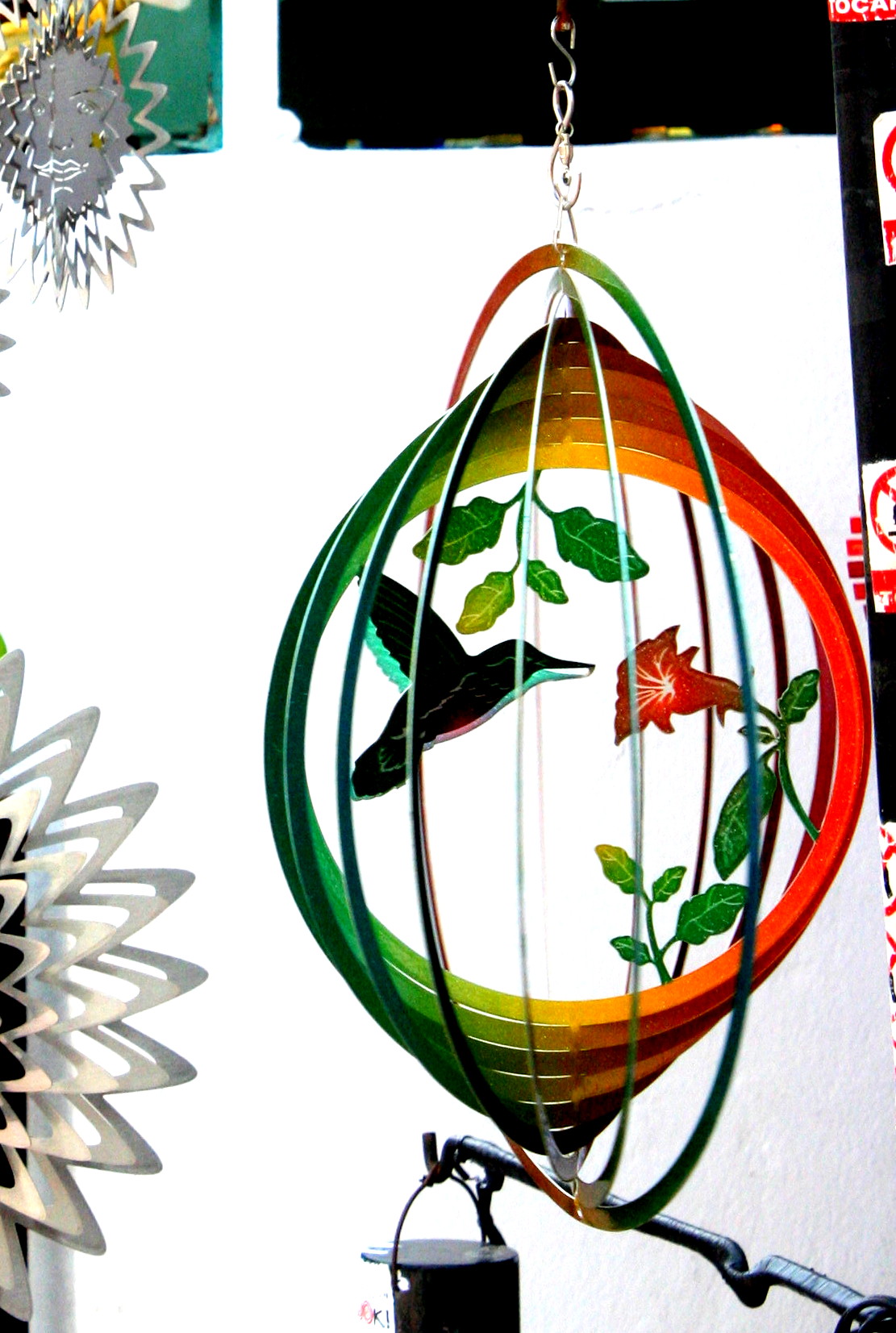
We’re used to buying Chinese-produced goods that serve as a tangible memory of a trip to Paris, New York, or London. But it doesn’t make much sense. Why, when we want to commemorate a place, are we buying unsustainable, factory-made products from a different country? Shouldn’t we want to support the local community, and buy commemorative goods made by locals?
Factories have shut down production during the worst of COVID-19 outbreaks. This might be another reason to encourage souvenir shops to consider partnerships with local artists and craftsman. Destination Management Organizations should be considering ways to include artisans in the tourist sector and promote the sale of their products instead of foreign made goods.


sustainable tourism strategies that link souvenir shops and local arts create:
- A more genuine experience for tourists, that connects them more tangibly to the destination
- A channel for local artists to contribute to a sense of place in their own community
- More resilient communities, as it promotes local artisans’ economic stability, and ‘tourist’ shops might now appeal to locals as well, making the shop itself more sustainable in trying times
- A reduction in unsustainable production and distribution of souvenir products
- An improved sense of local ownership and pride, and stronger sense of local culture and place through enhancing the art scene
So, while these souvenir shops are taking a hit without tourists, destination management organizations can work to support a changeover of goods.
This is an ideal pivot point to transition tourist shops away from cheap, foreign-made souvenirs to locally crafted goods that embody the spirit and people of a place. If destinations could bolster the local artists and handicraft scene through tourist shops, the effect would be more resilient communities, authentic take-home memories, and a stronger sense of local culture and place.


longer, slower travel: living like a local
The tourism industry should prepare for, and promote, longer travel. As remote work is normalized through necessity, a great number of professionals will enjoy more flexibility of physical location. The industry should capitalize on slower, more intentional travel, opening up opportunities for tourists to become long term guests in their community.


Sustainable tourism strategies that encourage slow travel offer:
- Less frequent distant travel, which reduces the carbon footprint associated with travel
- More intimate exchanges of culture, fostering respect, understanding, and appreciation of differences
- Deeper connections to the place, encouraging destinations to regenerate their unique sense of place and maintain heritage, traditions, and culture, instead of diluting the true experience by trying to accommodate mass and fast tourism
- New opportunities for local businesses to design themselves around long term guest accommodation. This may align more appropriately to the needs of the local community as well.
- Less environmental and social stress with reduced daily numbers
- Reverence for the local experience, which contributes to maintenance of a community that works for locals, not just tourists.
- Greater tolerance for tourists, as longer-term tourists appreciate daily life of locals, and locals aren’t bombarded with the frenzy of tourism that contradicts and inconveniences their daily activities
I, for one, can’t wait to see the unique ways that destinations mold longer-term guest experiences. I hope there will be considerations of how ‘slow tourism’ can pull guests into true local life encounters. As consumers long for more genuine exchanges, I think slow travel will afford us the time to actually digest the wonder that we so often seek when we travel.


diversifying for sustainability
With travel restrictions in place for many jurisdictions, local travel has expanded during the pandemic. More people are visiting local attractions that they may have previously overlooked for more prominent locations.
My hope is that this continues, and smaller destinations get a share of the tourists. I’d love to see well-established destinations working alongside smaller, lesser known ones to spread tourism away from trampled epicenters. In the spirit of cooperation instead of competition, destination dispersion could leverage larger attractions, feed into smaller ones, and reduce the strain of mass tourism on frequented sites. All while upholding smaller, unique, often neglected locations.


Sustainable tourism strategies that broaden destination accessibility can:
- Improve economic opportunities for rural, smaller destinations
- Reduce the strain on larger, more well-known sites
- Diversify experience for travelers, and link well known attractions to smaller, more intimate, memorable experiences
- Embed authenticity into the travel experience
- Incentivize maintenance and continuation of the unique culture, heritage, and tradition of rural spaces through celebration and additional economic channels
- Capitalize on established destinations through cooperative efforts to create broader tours which include smaller destinations
By making these smaller locations more accessible, the tourism experience can be diversified and more authentic, cultivating sustainability and social equity. Reducing strain on popular destinations has been a longstanding quandary in the tourism industry, without much progress, unfortunately.
It’s only taken a global pandemic to give the Great Wall, Machu Picchu, and the Colosseum a much-needed break from the daily pulse of thousands of feet.
combatting seasonality through quality of life
When a destination is associated with a season, oftentimes an influx of visitors crush the town all at once, and abandon it during the off season. For instance, a surf and swim, fall foliage, or ski location may suffer from population swells in-season and lows off-season. This makes it hard for locals to maintain businesses year-round, and can breed resentment towards tourists, despite their role in upholding the local economy.
The more specialized a location is, the more likely it will be subject to seasonality. By taking a ‘community first’ approach, tourism might be encouraged throughout the year. A wide variety of offerings, such as museums, shows, restaurants, conservation centers, and other various attractions, can broaden the tourist season, while improving quality of life for the locals.


Sustainable tourism strategies that design around locals:
- Improve attractions to extend the tourism season
- Give small businesses a fighting chance to combat seasonality
- Improve quality of life for locals, with more attractions that they, as well as tourists, can support
- Create inclusive attractions that aren’t ‘just for locals’ or ‘tourism traps’
- Economic stability for local businesses, supported both by tourism (extended) and locals
As COVID restricts remote travel, small businesses are more dependent upon their local community than ever before. By placing primary emphasis on the needs of a community, a location becomes more resilient. It will be less injured by seasonality and travel interruptions, such as pandemic restrictions.
Yes, COVID has struck the travel industry. HARD. But what an opportunity to pause, reflect, and adapt! I’m so excited to see what the tourism industry does with this hiatus. I hope host communities are at the center of the changes. I am rooting for sustainable tourism strategies to take hold in the absence of mass tourism.